emergency call
Blog detail

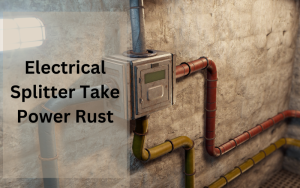
Does Electricial Splitter Take Power Rust
In today’s increasingly connected world, low voltage systems play a crucial role in enhancing both home security and connectivity. Unlike traditional high voltage electrical systems, low voltage systems operate at a significantlPower distribution from one point to multiple devices uses an electrical splitter. For many people, there lies the query whether they really use some sort of power extra in the form of splits or are affected by rust. Here, let us elaborate on how splitters work, their effectiveness, and how to maintain them for optimum performance.y lower electrical potential, typically under 50 volts. This lower voltage makes them safer and more energy-efficient for various applications within residential and commercial settings.
Electrical splitters split the already existing power; they do not consume additional power. Rust, however, can affect its efficiency by breaking the current flow in the appliance. Proper maintenance and intelligent design can prevent rust and power inefficiency.
What is an Electrical Splitter?
An electrical splitter is an appliance that subdivides the power from one input source into multiple output lines. It has the potential of giving access to many devices at the same time, for either residential or commercial purposes. Thus, a splitter is necessary in the end to distribute power to lights, tools, or even other devices.
How Do Splitters Handle Power Distribution?
Splitters distribute or divide the entire power available to devices. For example, if the splitter is connected to three devices, then one will consume one-third of the available power. Unlike a branch, splitters do not allow the user to control how much power will go to each device. This makes them equally effective for low power consumption devices, such as lights.
Splitters vs. Branches
Branches and splitters are different tools for power distribution. Here is the differences between splitters and branches:
- Power Allocation: A branch allows precise control of power. For example, one branch can supply 10 units to a device while passing the remaining power to another branch. Splitters divide power equally, which can lead to inefficiencies for devices with higher power needs.
- Use Cases: For lights, use the passthrough feature to connect them in a straight line without needing splitters. For power-intensive devices like turrets, branches are more efficient because they prevent power loss.
- Power Remainder: When using branches, the leftover power passes through for further use. Splitters, on the other hand, divide all incoming power evenly without retaining any excess
Do Splitters Consume Additional Power?
Electrical splitters do not consume power themselves. Instead, they distribute the total power from the source. However, using too many splitters in a chain can lead to inefficiencies, as each splitter divides the available power further, reducing the output for connected devices.
Impact of Rust on Electrical Splitters
Rust can develop on splitters due to moisture, humidity, or poor storage conditions. When rust forms on electrical contacts, it disrupts the flow of electricity, leading to inefficiencies and potential power interruptions. Regular inspection and cleaning can prevent rust-related issues and maintain the splitter’s performance.
Practical Applications and Tips
From the personal experience, we learned valuable tips for using splitters and branches:
- Lighting Setups: Connect lights in a straight line using their passthrough ports. This method eliminates the need for splitters and reduces power loss.
- Power-Hungry Devices: Use branches instead of splitters for devices like turrets. Allocate specific power to each device to avoid waste and ensure reliable operation.
- Circuit Design: Mock up circuits before implementing them to test the distribution of power and identify potential inefficiencies.
Preventing Rust and Power Loss
To prevent rust and power loss, follow these steps:
- Store splitters in dry and clean environments to minimize exposure to moisture.
- Clean the electrical contacts regularly with a soft cloth and a rust-removal solution.
- Avoid chaining multiple splitters to maintain power efficiency.
Frequently Asked Questions
Unused power in a branch passes through to the next output, ensuring no power is wasted.
Branches provide better control over power distribution, making them ideal for devices that require specific power levels.
Rust disrupts the flow of electricity and reduces efficiency. Regular maintenance prevents rust and extends the splitter’s lifespan.
Conclusion
Electrical splitters are practical tools for distributing power but require proper planning and maintenance. By understanding their functionality and using branches for power-intensive devices, you can create efficient setups. Prevent rust by keeping splitters clean and stored in dry environments. These practices ensure optimal performance and longevity for your electrical systems.

How Often Should Commercial Electrical Installation Be Tested?
August 29, 2025
No Comments
Read More »
Expert Low Voltage Installations in Lancaster: Safe, Reliable, Code-Compliant
August 20, 2025
No Comments
Read More »
Guide to Electrical Charger Installation for Your Home or Business
August 6, 2025
No Comments
Read More »